

Contact
I’d love to hear from you!

More from Ruth
Ruth's Blogs









I’d love to hear from you!
According to a recent Gallup study, nearly all Americans (99%) use at least one common AI-enabled product in a typical week — things like navigation apps, weather forecasting tools, streaming services, online shopping platforms, social media, and virtual assistants such as Siri or Alexa. Yet nearly two-thirds (64%) don’t realize they’re interacting with AI at all. These tools quietly make our lives easier every day: helping us find the fastest route, suggesting movies we’ll enjoy, predicting the weather more accurately, or showing us relevant products. Far from being scary or mysterious, this invisible integration demonstrates how AI is already improving daily life through greater efficiency, accuracy, and personalization.
My mom’s birthday was in March, and with Mother’s Day here again, I feel the same quiet ache. One of my few true regrets in life is that I didn’t honor her the way she deserved while she was here.
She was a simple Appalachian woman from a West Virginia holler—quick-witted, sharp-tongued when needed, and beautifully no-nonsense. Life handed her more than her share of hardship, yet she met each day with steady optimism and a laugh that could fill a room. She made mistakes, as every mother does, but she also made quiet sacrifices that went unseen.
In an age when artificial intelligence can write essays, generate art, and hold eerily human conversations, it’s no surprise that many—especially in Christian circles—are asking whether AI is the “mark of the beast” foretold in Revelation. The question isn’t silly. It’s urgent.
But the deeper issue isn’t silicon and code. It’s what we believe about our own humanity.
My conviction is simple: consciousness is untouchable by machines because the Breath is sacred. And machines, for all their brilliance, cannot breathe.
When I consider why AI provokes such strong reactions, I see a familiar pattern. In an earlier essay, I wrote about how sweeping claims like “Republicans are racist” reduce complex people to caricatures rooted in fear. The reverse—“Democrats are all communist extremists”—is no different. Fear flattens nuance, and we are doing the same thing with AI.
In my last piece, I told you about a writing coach who declared that AI-assisted writing is “plagiarism.” She wasn’t alone. The literary world is full of gatekeepers raising alarms about artificial intelligence. And to be fair, some of that concern is justified. But there’s a deeper tension worth examining: many of the same voices that champion progress and inclusivity are resisting a tool that could expand both.
I’m still learning how to use AI as a writing partner. I’m experimenting with prompts, testing boundaries, and figuring out what works. I don’t claim expertise—almost none of us can, yet. That’s part of what makes this moment unusual. We’re all learning at the same time. If you’ve been curious but hesitant, you’re not behind. You’re right on time.
I trusted him with secrets no one else on earth knew.
For ten years he was my writing coach, my memoir midwife, and so much more — a true anchor in my life, a trusted friend. We spoke on the phone or video calls as I handed over the rawest parts of my life: the fears, the failures, the things that still made me flinch in the dark. He would lean in, eyes serious, and say the same thing every time: “This is what memoir demands. The whole truth. Nothing less. Bare your soul, or don’t bother.”
He taught me so much — especially how to shape raw experience into something that could reach a reader. Our work together was the real deal. Until it wasn’t. That’s what makes the ending so confusing.
By the time I brought my puppy home, one thing was clear: she had nerves of steel.
Vacuum roaring? Unfazed.
Strange noises? Barely a glance.
Roofers hammering overhead, shaking the whole house? She slept right through it.
Confident, curious, and utterly unbothered, she was exactly what I’d sought from her breeder. Temperament is everything in a dog’s life, and hers felt rock-solid. Raising a puppy like that feels like winning the lottery.
Then one afternoon changed her forever.
As a memoirist, there are times when I question myself about why I feel called to write about my life. It’s like I need a reason, justification, in order to keep at it, not so much for others, but for myself.
About two years ago, while poking around online for some inspiration I landed on a sermon by Rev. Ed Bacon who said, "The reason God gave you your story is so you could tell it." A sense of freedom came over me. I knew that God was talking directly to me, saying, “Ruthie, you don’t need a reason. Just write.” Getting the go-ahead from God was the permission I needed, and the quality and quantity of my writing improved.
We spend an enormous amount of time, money and effort on the quest for improving our health, our looks, our weight, our fitness, our sleep, our energy, and our sex lives. But the fact is that we already have the secret to all of these and more. What’s more, it doesn’t require you to spend a single penny.
There is nothing more essential to our health and well-being than breathing: take air in, let it out, repeat twenty-five thousand times a day. Yet, as a species, humans have lost the ability to breathe correctly, with grave consequences.
The Quest for Happiness is a Universal fact. It is a scientific fact, which means we can measure it, we can assess it, and we can devise strategies to make ourselves happy and fulfilled human beings.
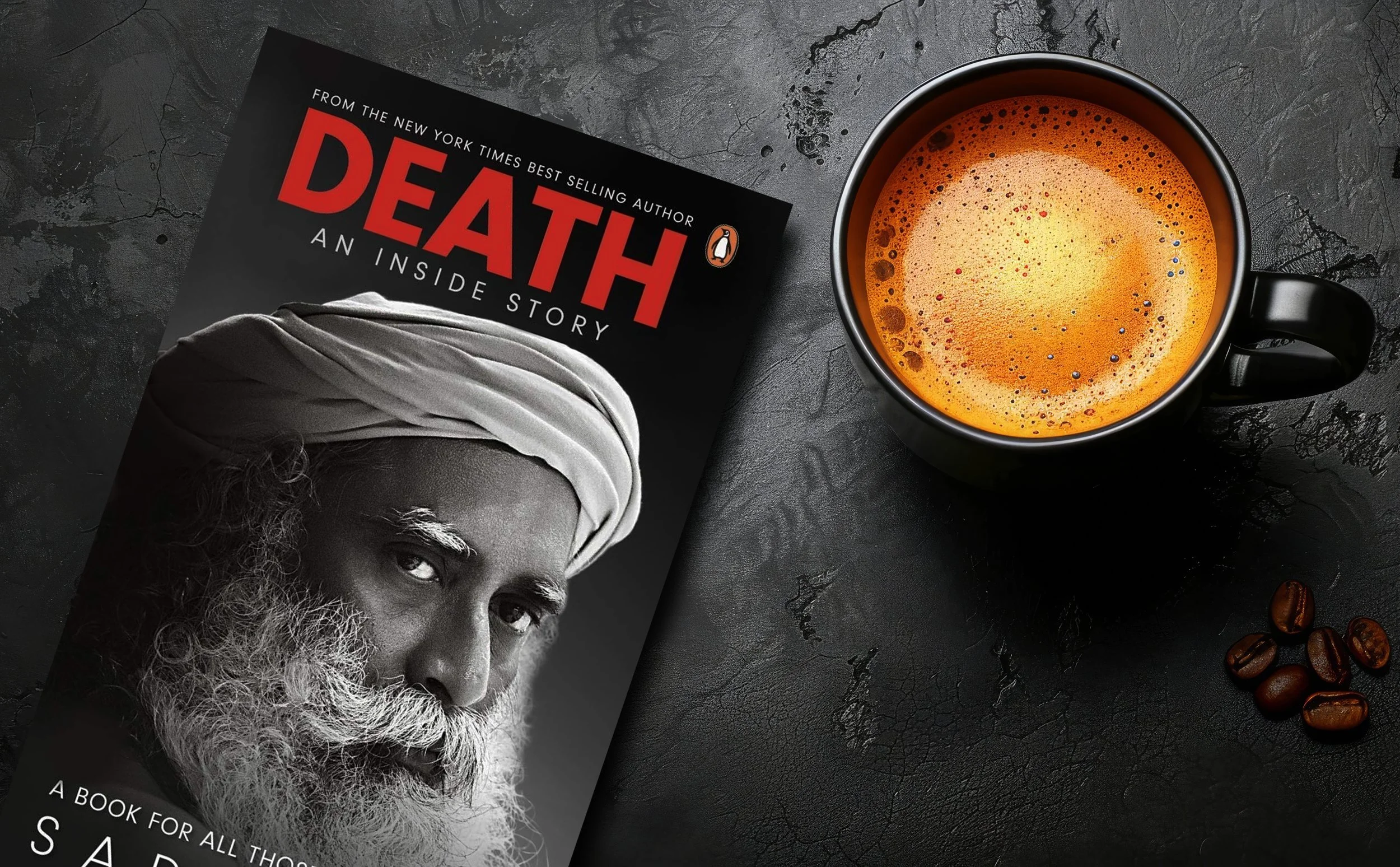
Death is a taboo in most societies in the world. But what if we have got this completely wrong? What if death was not the catastrophe it is made out to be but an essential aspect of life, rife with spiritual possibilities for transcendence?
In this remarkable book, Paramahansa Yoganada reveals the hidden yoga of the Gospels and confirms that Jesus, like the ancient sages and masters of the East, not only knew yoga but taught this universal science and God-realization to his closest disciples.
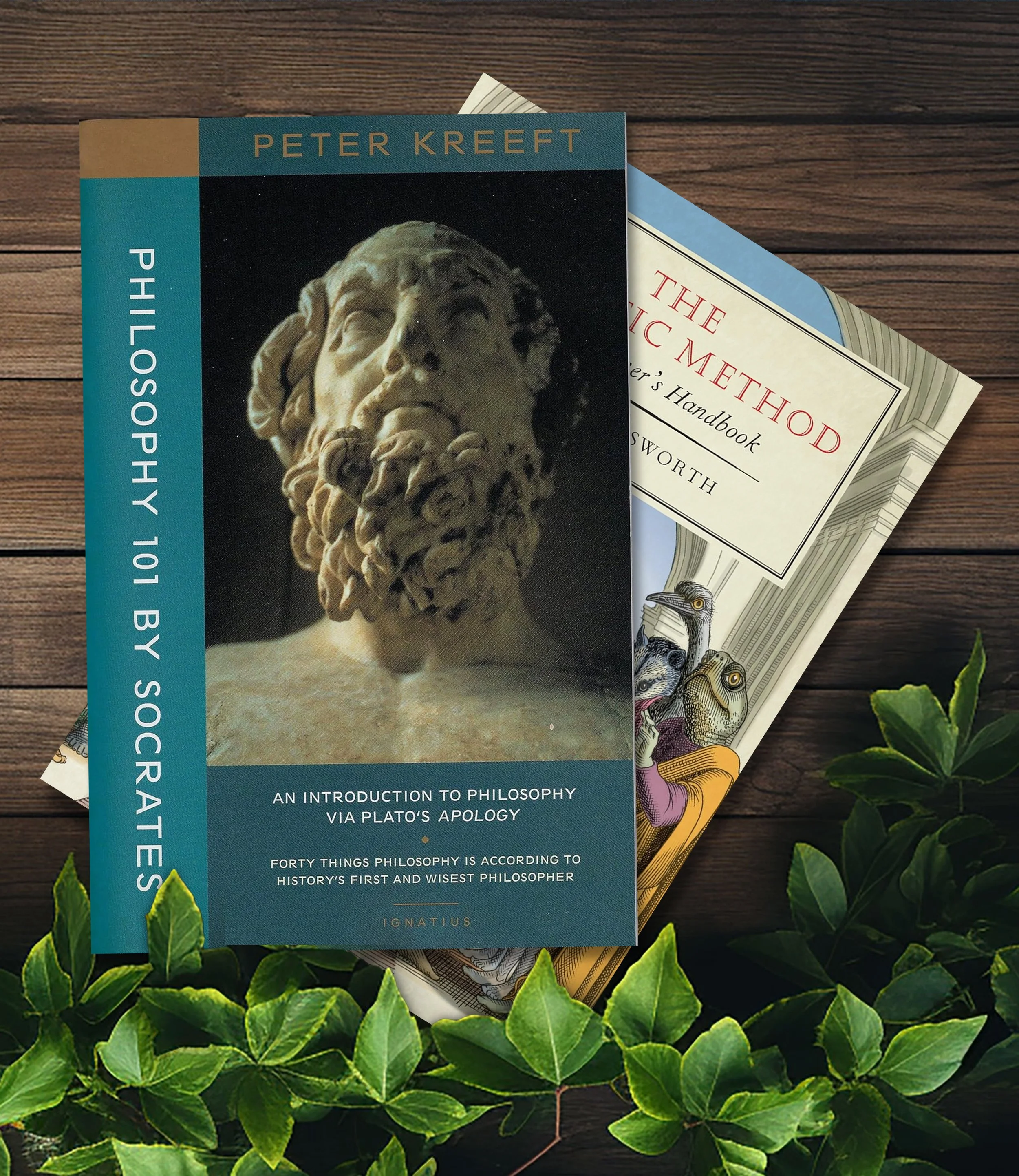
Drawing on hundreds of quotations, this book explains what the Socratic method is and how to use it. Chapters include Socratic Ethics, Ignorance, Testing Principles, and Socrates and the Stoics.
I grew up hearing, “Be still now….be still.” My parents meant for me to go away, to stop being a bother, to not “crowd” them. I often wandered off to my cave up on the hillside, just above our house out on the holler. With the cool earth beneath my bottom and the smell of dirt in my nose, I did as I was told. I sat still. Inside the shadows of my cave, I watched. I could see my family, but they couldn’t see me.
When we ignore our body’s wisdom, and its innate ability to heal itself, we experience stress. Stress in the body sends a message to the brain that something is wrong, releasing stress hormones into the body.
For a good portion of my life, I believed that ignorance equaled stupidity. I developed a complex, a sensitivity, about how others saw me. I worried about what they thought of me because each time I exposed my ignorance, I was certain they saw me as stupid.
No matter how hard we try, we cannot avoid stress or prevent suffering; it’s part of being human. But with a few tools and a proactive mindset, we can build resilience toward life’s setbacks—and even grow stronger from adversity.
Building resilience isn’t necessarily about “toughing it out” so much as it is about tapping into your spirit. Spiritual energy runs through our veins; it’s the life force that sustains us during hardship and lights us up on the other side of it.
There exists a powerful structure of spiritual energy centers throughout our bodies called chakras. The word chakra comes from Sanskrit, an ancient language of India, and is commonly referred to in the practices of yoga and meditation.
Paramhansa Yogananda, the great yogi who brought yoga to the west in the 1920s, teaches us that there are eight aspects of God: peace, wisdom, power, love, calmness, sound, light, and joy (or bliss). When we marry these aspects with the seven primary chakras, we have a set of tools, a roadmap, to navigate our lives.
While attending a writing conference recently, something stood out to me: regardless of genre—mystery, romance, prescriptive/nonfiction, sci-fi or thriller—there’s an aspect of the writer’s personal story in every tale. Even more notable, is how all tales stem from opposition.
Each of Patrick McKeown’s books explore breathing techniques grounded in science to improve physical and mental health, whether you're an athlete, a yogi, or just someone looking to feel healthier.